
- My role/scope:
- Design lead, project manager
- User research, information architecture, prototyping, UI design
- Developed and maintained a design system
- Art direction, branding
- Credits:
- Marketing Manager: Tennile Cooper
- Results:
- Clear information architecture and user journey
- Refreshed design look to better align with key audiences and market
- Improved online sales funnel for capturing leads
The new site needed to provide a consistent sales funnel, promote the venues and highlight its contribution to the arts community. The design objective was to update the UX/UI to function like other venue and lodging rental websites. Better lead generation was the goal for this rebuild.
Objective 1:Increase “Book Now” form submissions by X% in the first year
Objective 2:Develop an intuitive website that helps visitors explore with ease, be informed and book an Artscape venue minus unnecessary distractions
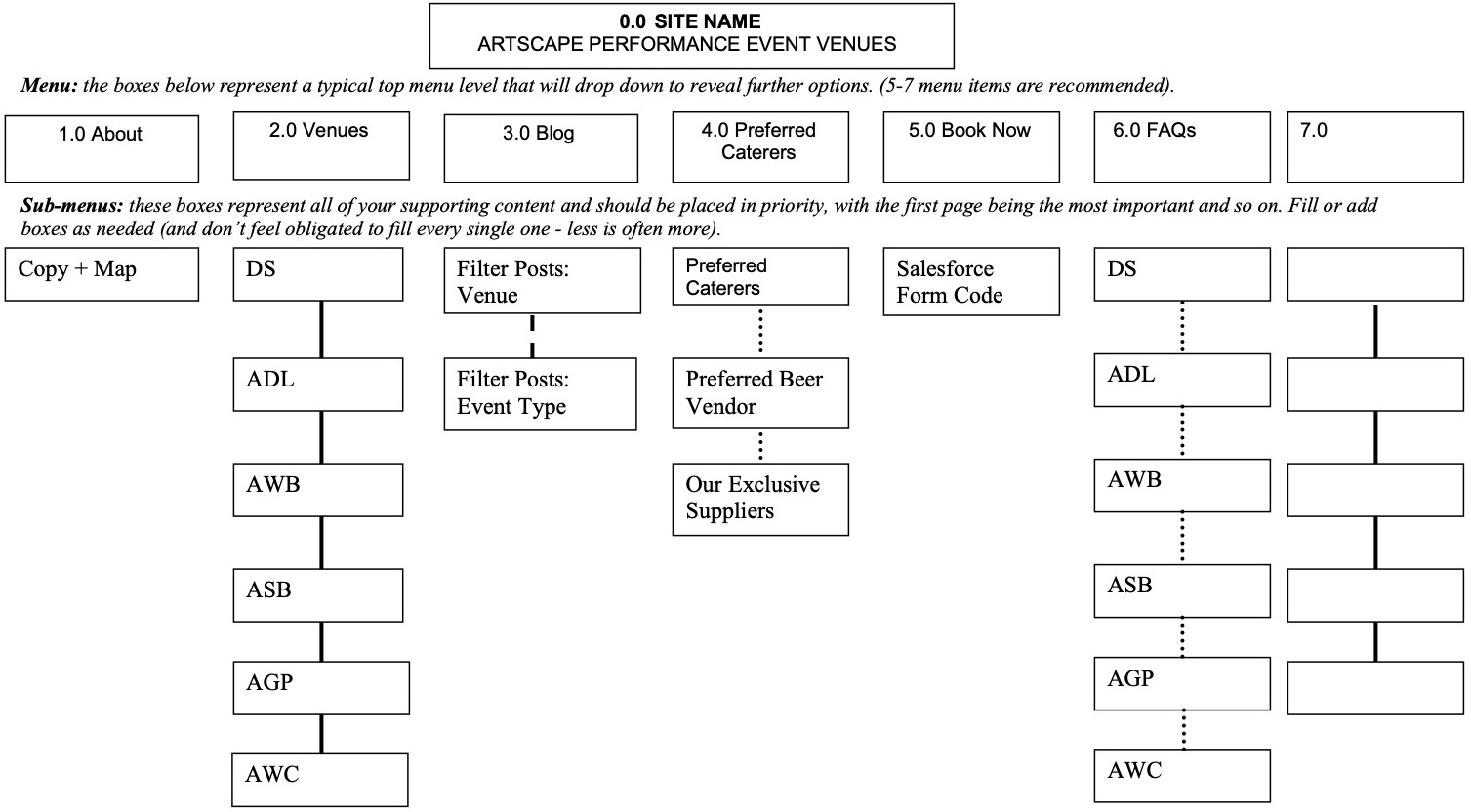
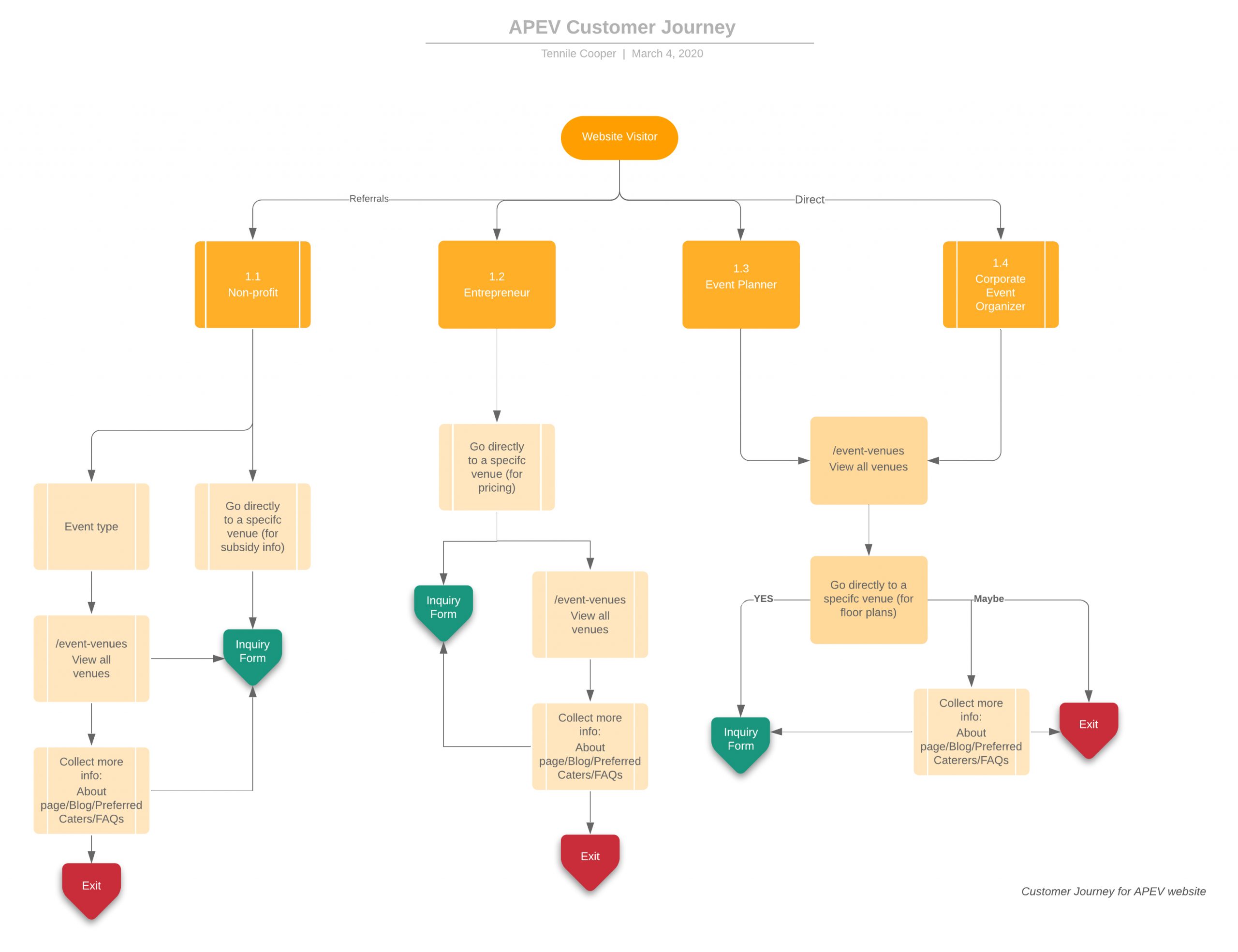
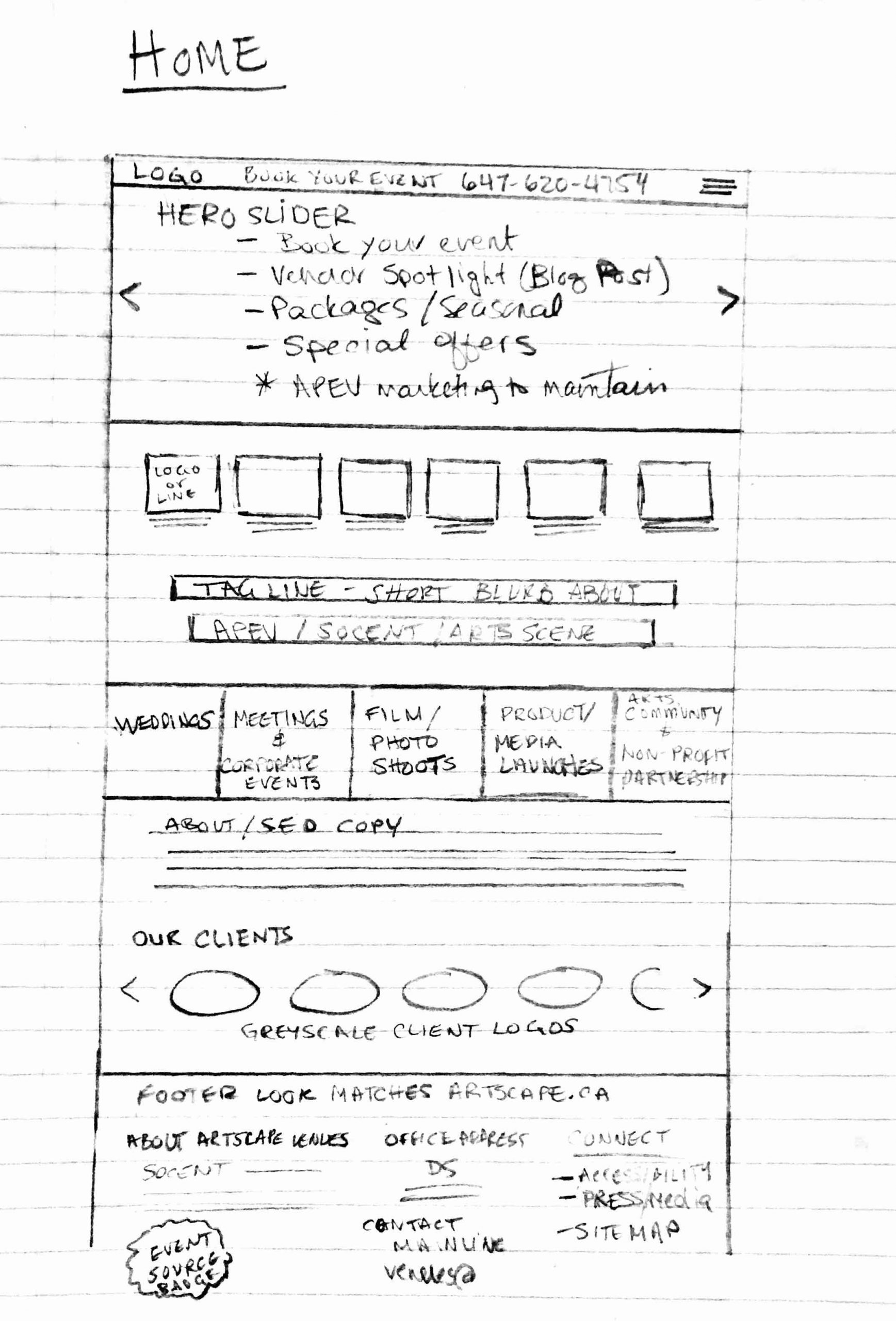
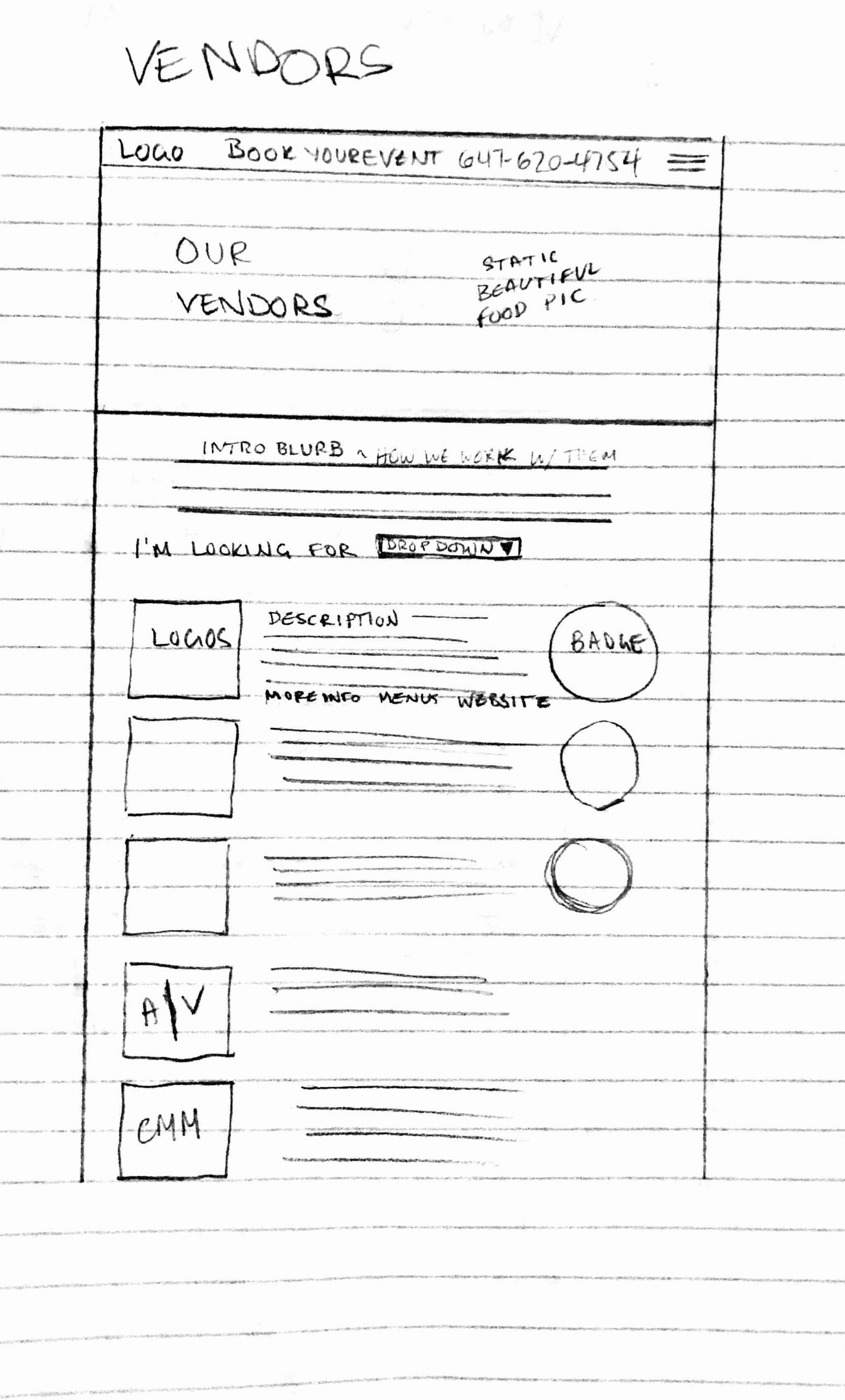
In collaboration with the marketing manager, we set the objectives for the online experience. We looked over the previous website’s analytics to see where users were going and where they were coming from. We also looked at client data on how and when they were renting the venues to inform our focus. Organizing the site’s structure via affinity mapping and outlining the customer journey on the website pushed things along. We ran comparative analysis on our competitors and researched best practices of similar enterprises. Rough wireframes were initially done as sketches, but the design and build process had become iterative to accommodate timelines and stakeholder input, leading to some designing on the fly.
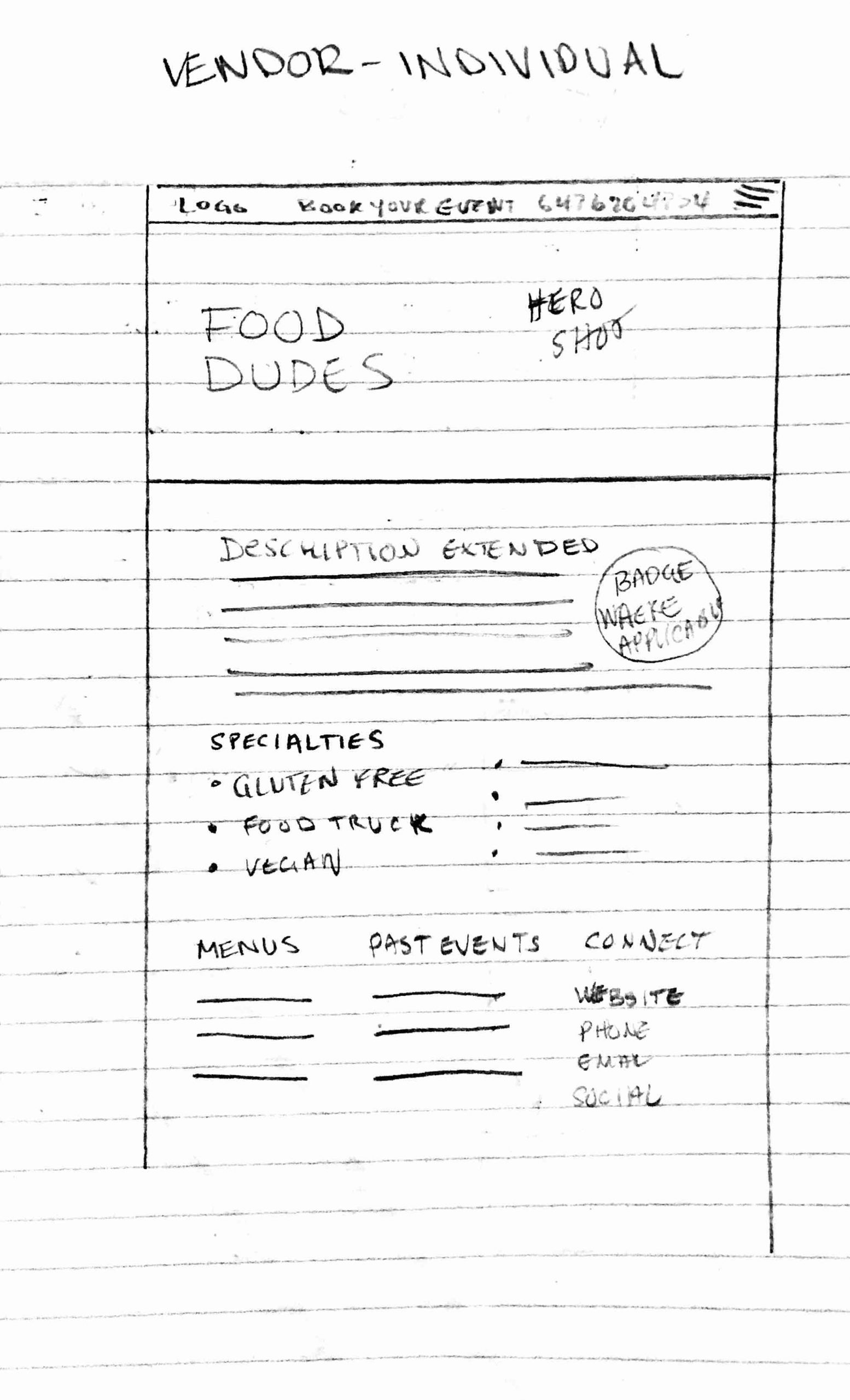
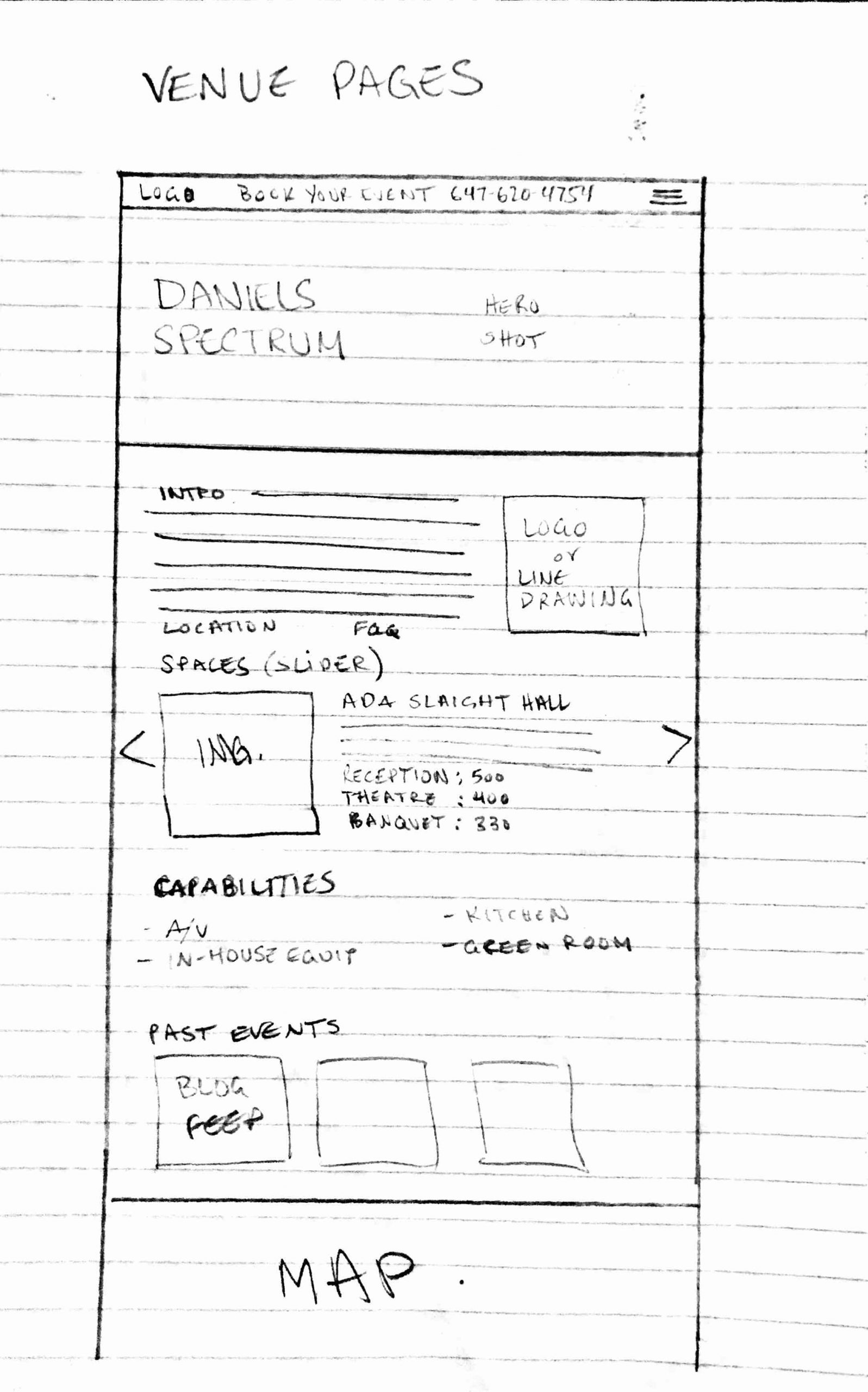
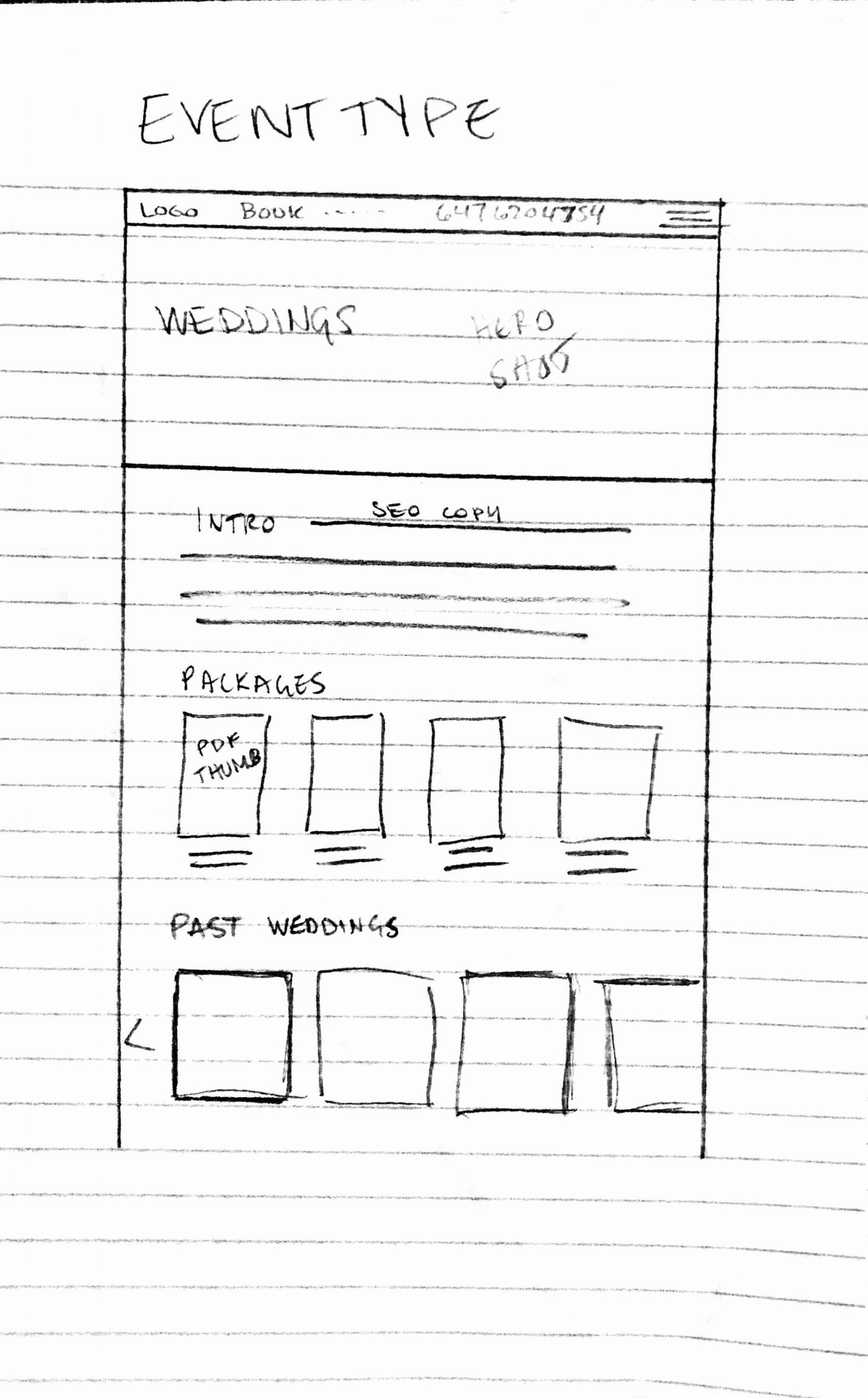
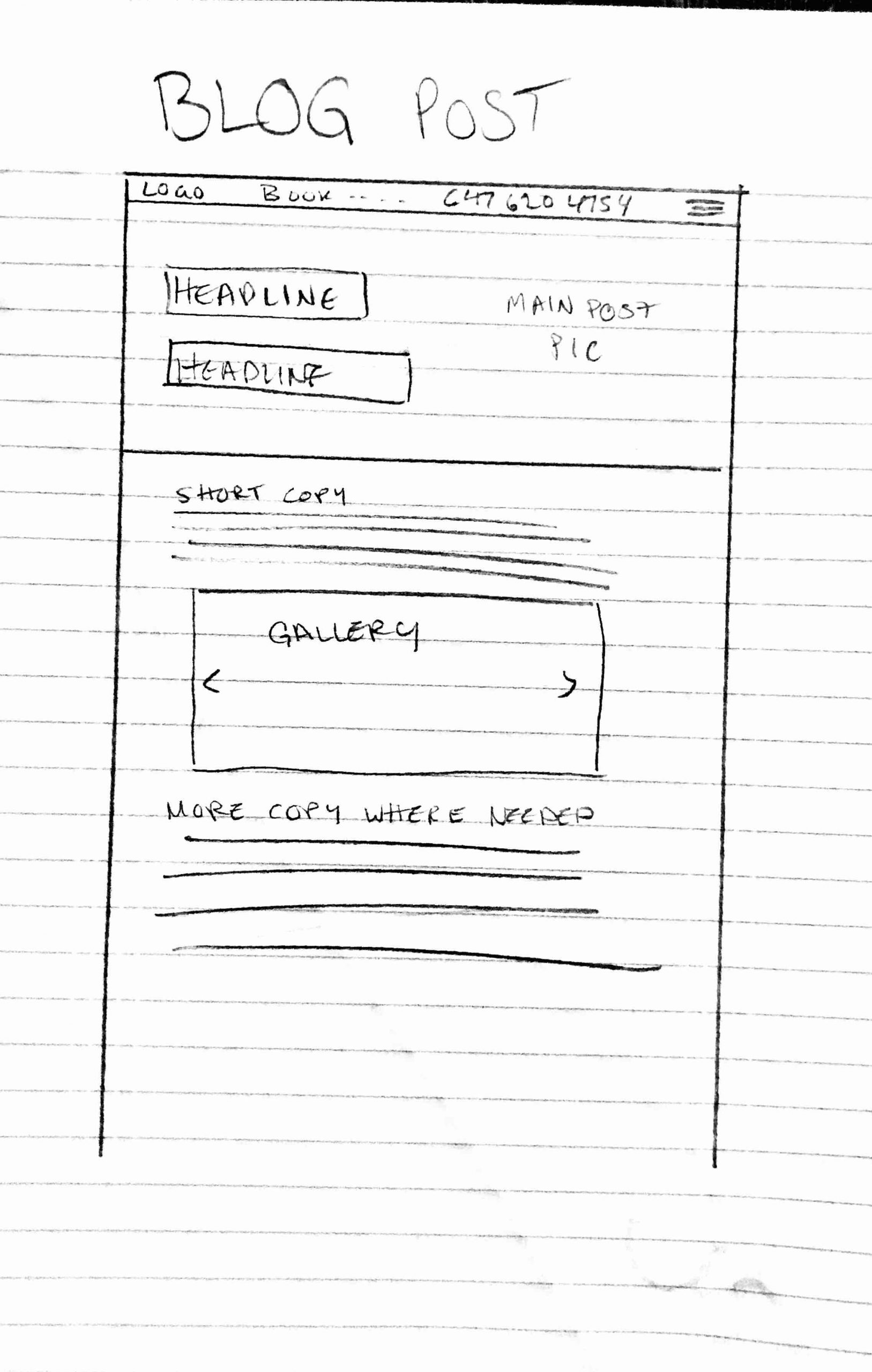
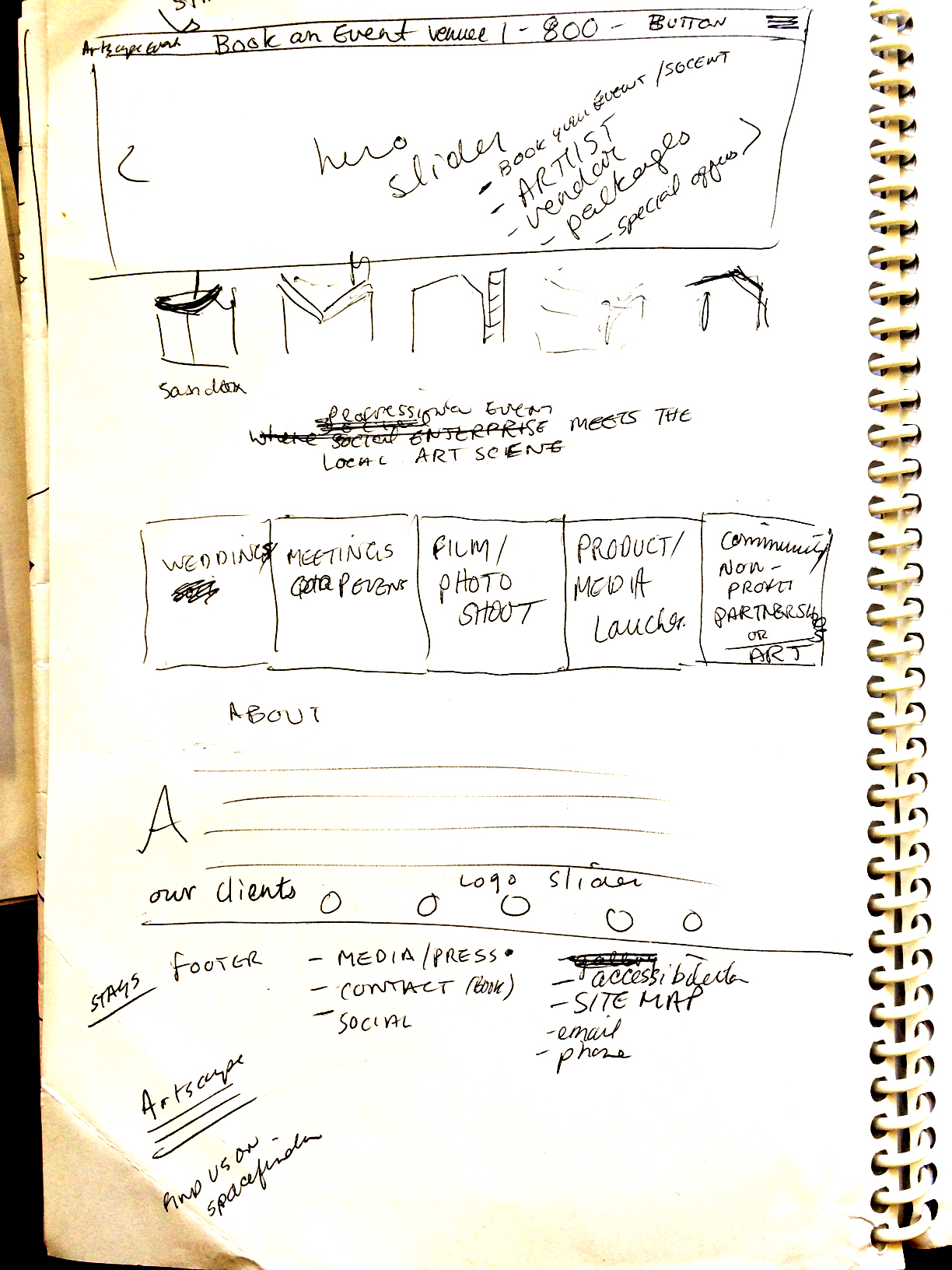
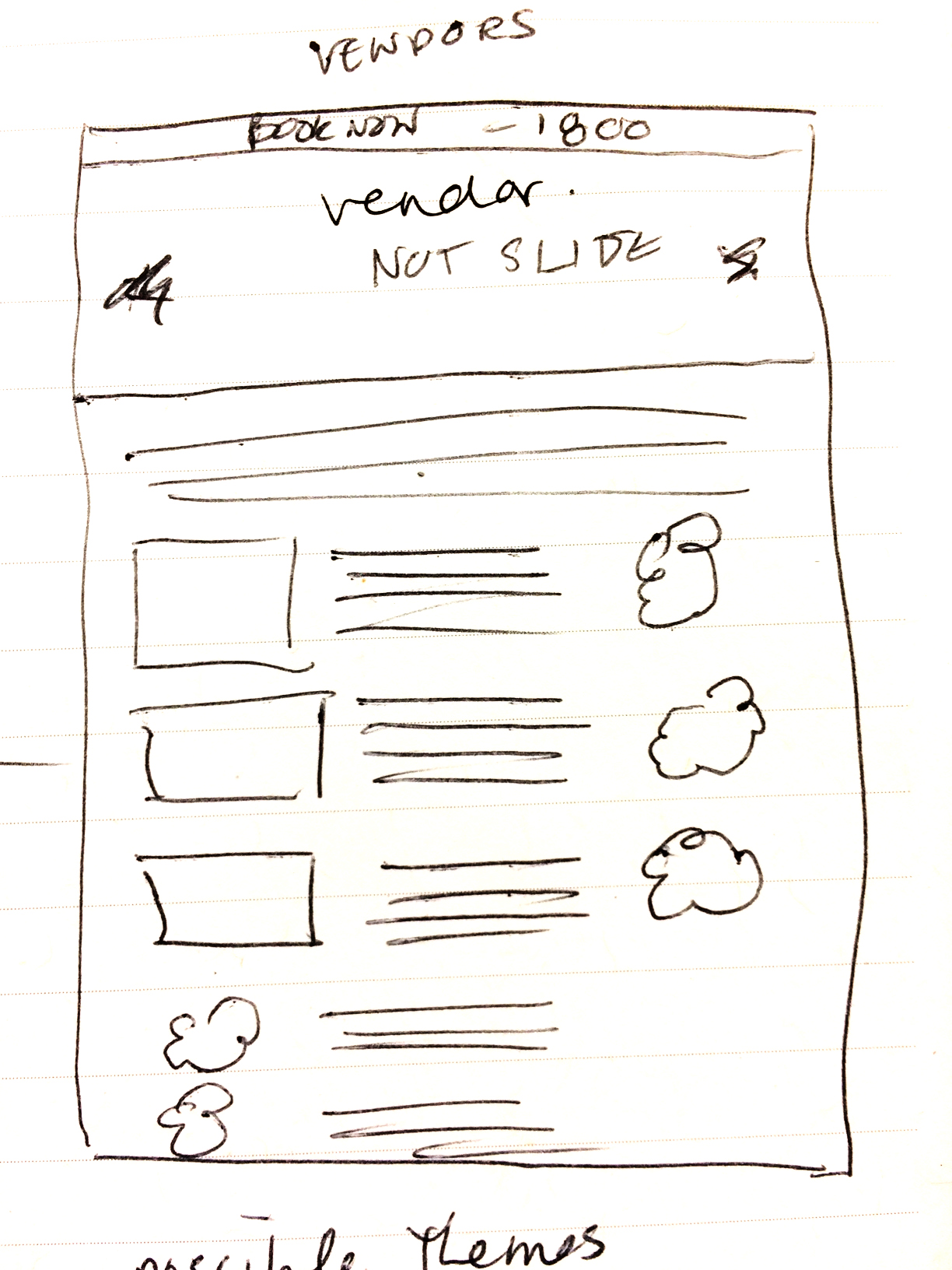
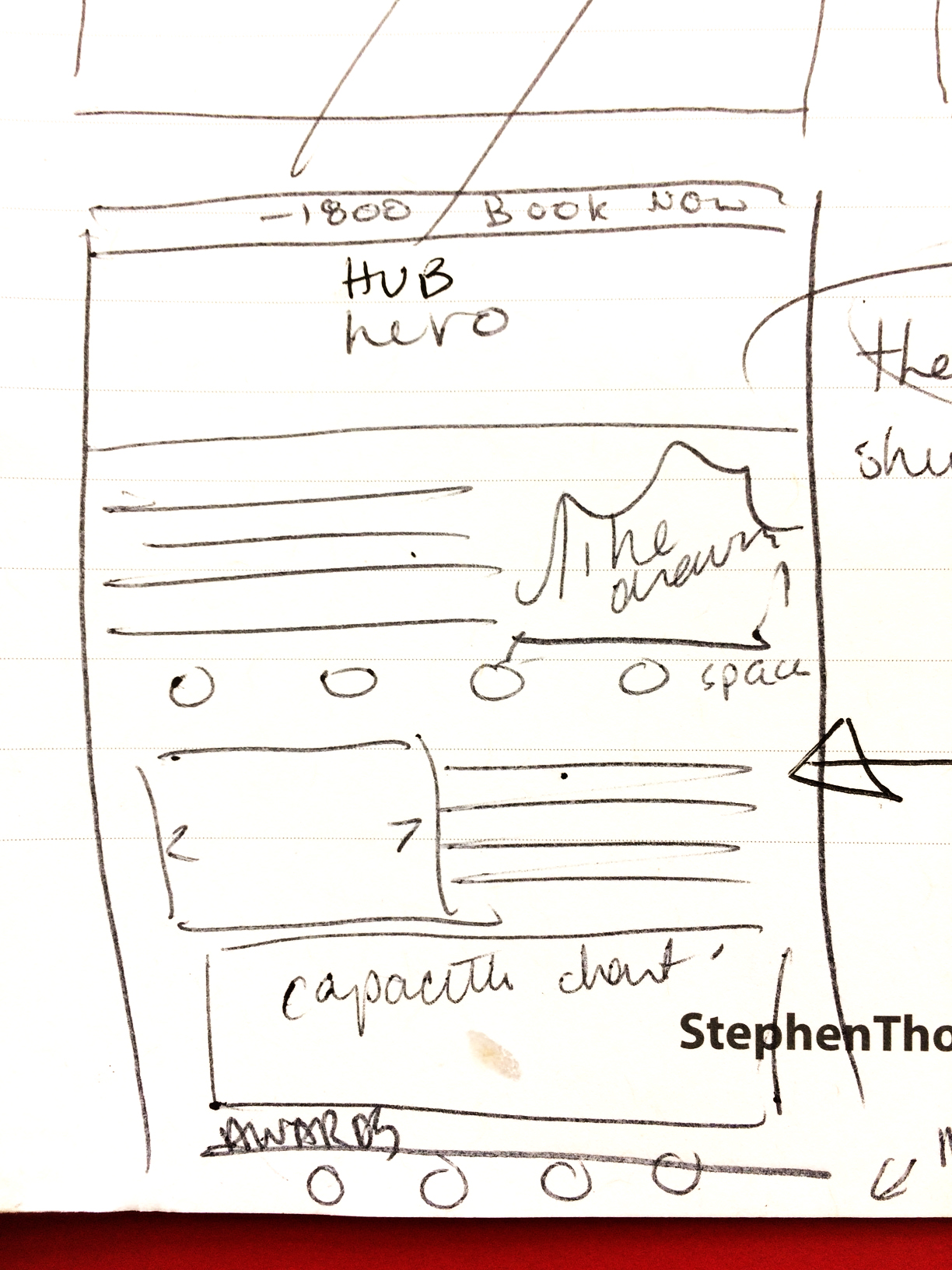
We wanted to appear more sophisticated and premium to Artscape’s prospective venue clients. The old fancy logo became a simple black wordmark. High-quality, colourful images from previous clients would adorn the pages – presented like art on the walls of an institutional design system. Diversity was important here to reflect our place in several communities.
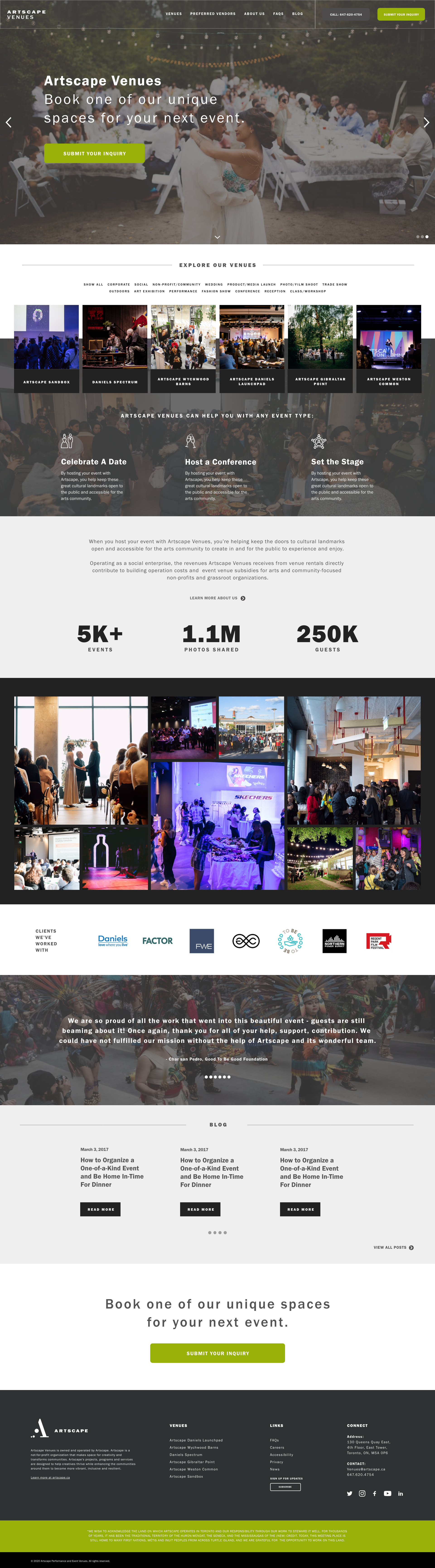
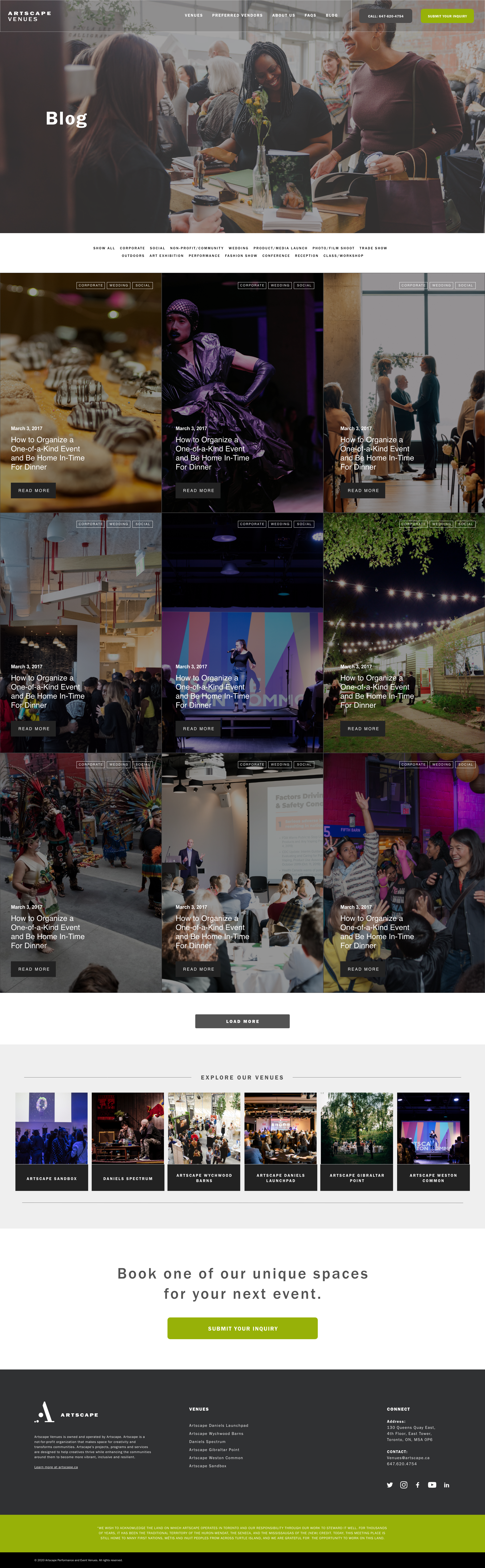
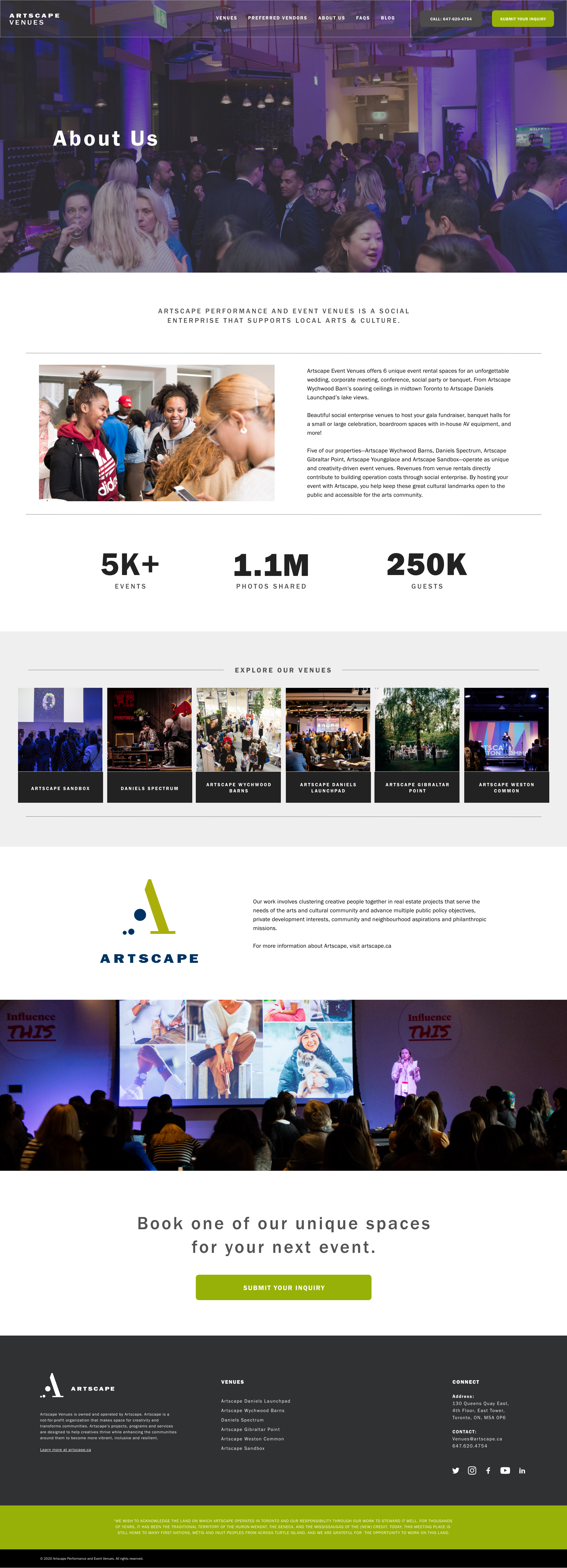

The path to inquiry needed to be intuitive and clear, which guided my design process. Prototyping was done with Adobe XD, with graphics and imagery produced using Illustrator and Photoshop. I handled front-end design and development with Word Press for the most part, leveraging a heavily customizable 3rd party theme and page builder plugins to streamline the process and essentially eliminate handoff time.